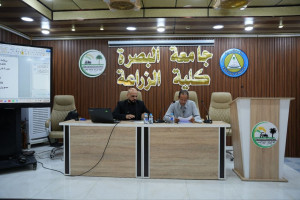
A doctoral dissertation at the College of Agriculture, University of Basra, investigated "Morphological and Molecular Identification of the Greater Waxworm Using Food and Light Attractant Traps in Central and Southern Iraq."
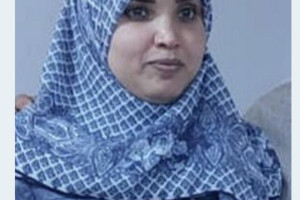
The dissertation, presented by researcher Raja Malik Khalaf, aimed to survey the insect and calculate its infestation rates in apiaries in the governorates of Babylon, Najaf, Karbala, Wasit, Qadisiyah, Maysan, and Basra. It also aimed to identify the insect through dissection of its life stages and molecular experiments to extract and amplify its DNA, comparing it with NCBI samples.
The study concluded that the insect is widespread and exhibits morphological variations among the governorates, despite molecular similarity to the same species. It also revealed the high efficiency of light traps in capturing the insect.
Media and Government Communication Division / College of Agriculture
Important News

viewed most