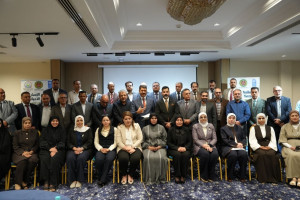
Dr. Khadija Sadiq Jaafar, a faculty member at the College of Agriculture, University of Basra, participated in an academic research presentation at the Imamah Corner Festival, held under the auspices of the Holy Shrine of Imam Hussein.
She presented a paper titled "Imam Ali (peace be upon him) – A Timeless Figure: A Contemporary Comparative Study," which explored the intellectual and ethical dimensions of Imam Ali ibn Abi Talib's personality and his enduring role in human and political thought.
During her presentation, Dr. Jaafar explained that the enduring influence of Imam Ali throughout history is not solely due to symbolic or emotional significance, but rather stems from a coherent intellectual framework and a profound ethical vision that combines justice and spirituality, alongside a practical political experience characterized by rationality and balance in both discourse and action.
The presentation addressed the findings of recent research in comparative leadership ethics, which classified Imam Ali's model within the concept of "normative leadership." His political project was considered an early example of what is known as "ethical governance with internal spiritual control," where values take precedence over interests, and authority is understood as a moral obligation and a human responsibility.
This presentation is part of the University of Basra's efforts to promote rigorous scientific research and connect Islamic intellectual heritage with contemporary issues, contributing to the development of modern perspectives in the fields of leadership and good governance.
Media and Government Communication Division / College of Agriculture
Important News


viewed most